
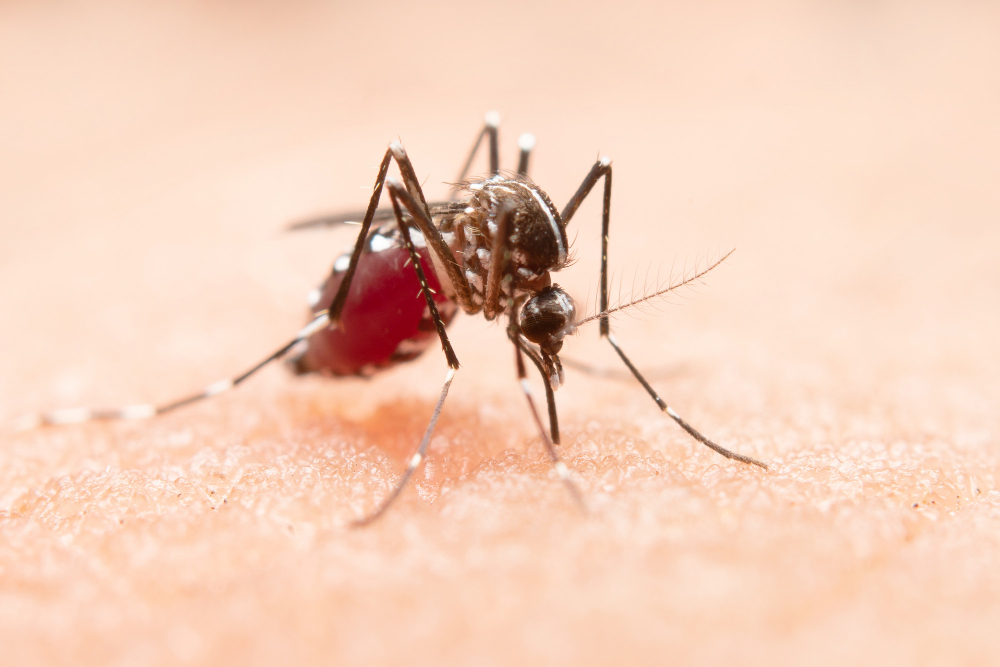
Dengue is a viral illness spread by mosquitoes. It can cause high fever, pain, and sometimes serious problems. Children are especially at risk. Therefore, knowing the preventive measures of dengue is very important. This guide will help parents and caregivers learn how to prevent dengue in children and keep them safe.
What is Dengue?
Dengue is caused by a virus carried by Aedes mosquitoes. These mosquitoes bite during the day, especially early morning and late afternoon. The illness can lead to high fever, rash, and body aches. In some cases, it can become severe and need hospital care. According to the World Health Organization (WHO), dengue is common in many tropical and subtropical areas.
Why Are Children at Risk?
Children are more likely to get bitten by mosquitoes while playing outside. Also, their immune systems are still growing. Because of this, they may get sick more easily. Sometimes, children do not notice or report mosquito bites. As a result, parents need to be extra careful to protect kids from dengue.
Key Preventive Measures of Dengue
Mosquito Control at Home and School
To prevent dengue, it is important to reduce mosquito breeding. Mosquitoes lay eggs in standing water. So, removing these sources helps a lot. Here are some simple steps:
Personal Protection (Clothing, Repellents, Nets)
Protecting children from mosquito bites is key. There are many ways to do this. For example:
Community and Environmental Actions
Working together as a community makes a big difference. For instance:
Recognizing Early Signs
Even with good prevention, dengue can still happen. Early signs include high fever, headache, pain behind the eyes, and body aches. Sometimes, children may have a rash or mild bleeding, such as nosebleeds. If you notice these signs, act quickly.
When to Seek Medical Help
If your child has a high fever and any warning signs, see a doctor right away. Warning signs include:
Early treatment can prevent serious problems. According to the Centers for Disease Control and Prevention (CDC), quick medical care saves lives.
Additional Tips for Parents and Caregivers
Conclusion
In summary, dengue prevention in children needs daily care and attention. By following these preventive measures of dengue, you can protect your child from this illness. If you notice any warning signs, consult a pediatrician Dr. Ashwin Reddy for personalized advice on dengue prevention.