
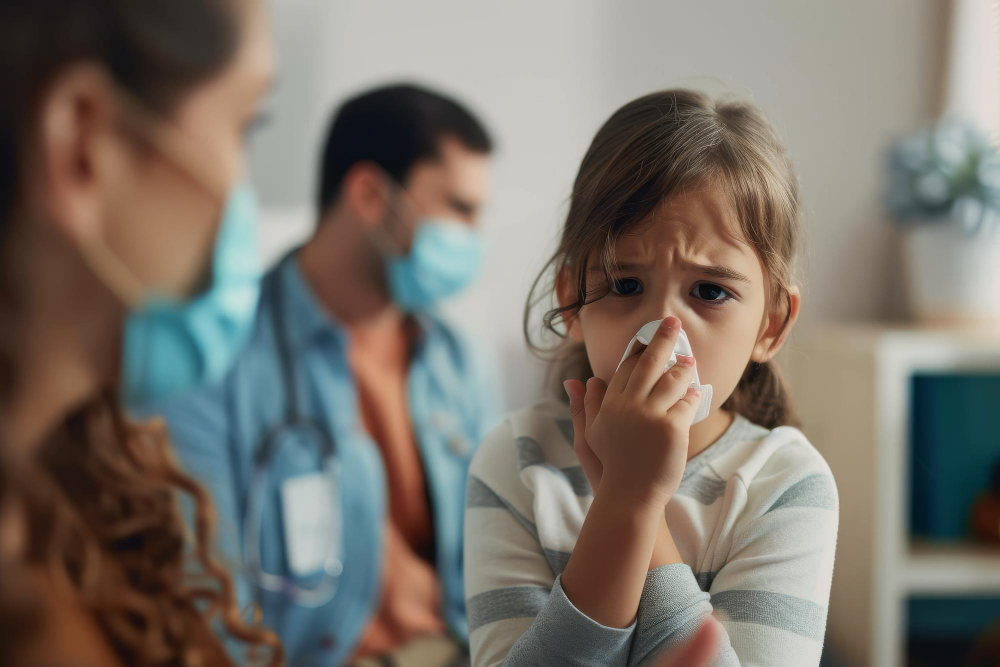
What Is Wheezing in Children?
Wheezing in children is a high-pitched, whistling sound when your child breathes out. Often, this sound comes from the chest. Sometimes, you may hear it without a stethoscope. Wheezing means air is moving through narrowed airways. Because it can signal breathing problems, parents should pay close attention.
Common Causes of Wheezing
Many things can cause wheezing in children. For example, some causes are mild, while others need quick care. Here are the most common reasons:
Symptoms to Watch For
Besides wheezing, children may show other signs. Because these symptoms can help you decide when to seek help, watch for:
However, not all symptoms mean an emergency. Still, knowing what to look for helps keep your child safe.
When Should Parents Be Concerned?
Sometimes, wheezing is mild and goes away. But in other cases, it can be a sign of a serious problem. So, you should be concerned if your child:
If you notice any of these, seek medical help right away. Quick action can prevent serious problems.
Diagnosis: What to Expect
When you visit a doctor for wheezing in children, the doctor will ask about symptoms and health history. Next, the doctor will listen to your child’s chest. Sometimes, tests are needed. For example, your child may need:
Because each child is different, the doctor will choose the right tests for your child.
Treatment Options
Treatment depends on the cause of wheezing. For instance, common treatments include:
However, not all children need medicine. Sometimes, rest and fluids are enough.
Home Care and Prevention Tips
While some causes of wheezing need a doctor, you can help at home too. Here are some tips:
In addition, regular check-ups help catch problems early. Prevention is always better than cure.
When to See a Doctor
It is important to know when to seek help. You should call a doctor if:
For urgent help, visit the nearest clinic or find a pediatrician near you. Early care can make a big difference.
Conclusion and Next Steps
Wheezing in children can be scary for parents. Still, knowing the causes and warning signs can help you act quickly. Because every child is unique, always watch for changes in breathing or behavior. If your child is wheezing or you have concerns, consult a pediatric specialist Dr. Ashwin Reddy for personalized advice.