Introduction
Every parent wants to keep their child healthy and safe. However, common health concerns in children can appear at any age. Because kids grow and change quickly, their bodies can be more sensitive to illness. For this reason, knowing about children’s health issues helps parents act early. In this blog, you will learn about childhood illness symptoms, causes, and ways to prevent sickness in kids. These pediatric health tips are based on trusted sources like the CDC and WHO.
Overview of Common Health Concerns in Children
Children often face a range of health problems. Some issues are mild, while others need quick care. For example, many kids get colds, ear infections, or stomach bugs. Allergies and asthma are also common. In addition, skin rashes and fevers can worry parents. Sometimes, children may have more serious conditions like diabetes or infections. Because these problems are so common, parents should know what to look for and how to help.
Symptoms to Watch for in Children
Because children may not always say how they feel, parents must watch for signs of illness. For instance, a child might act more tired or cranky. Sometimes, they may stop eating or drinking as much. In other cases, you might notice a rash, cough, or trouble breathing. If your child has a high fever, severe pain, or trouble waking up, seek help right away. Early signs can be mild, but they can get worse quickly.
Common Causes and Risk Factors
Many health concerns in children come from germs like viruses or bacteria. For example, colds and flu spread easily in schools and daycare. Allergies can be caused by pollen, dust, or certain foods. Sometimes, family history plays a role. In addition, poor handwashing or crowded places can increase risk. Because young children have weaker immune systems, they can get sick more often. Knowing these causes helps parents lower the risk.
How Pediatricians Diagnose These Health Concerns
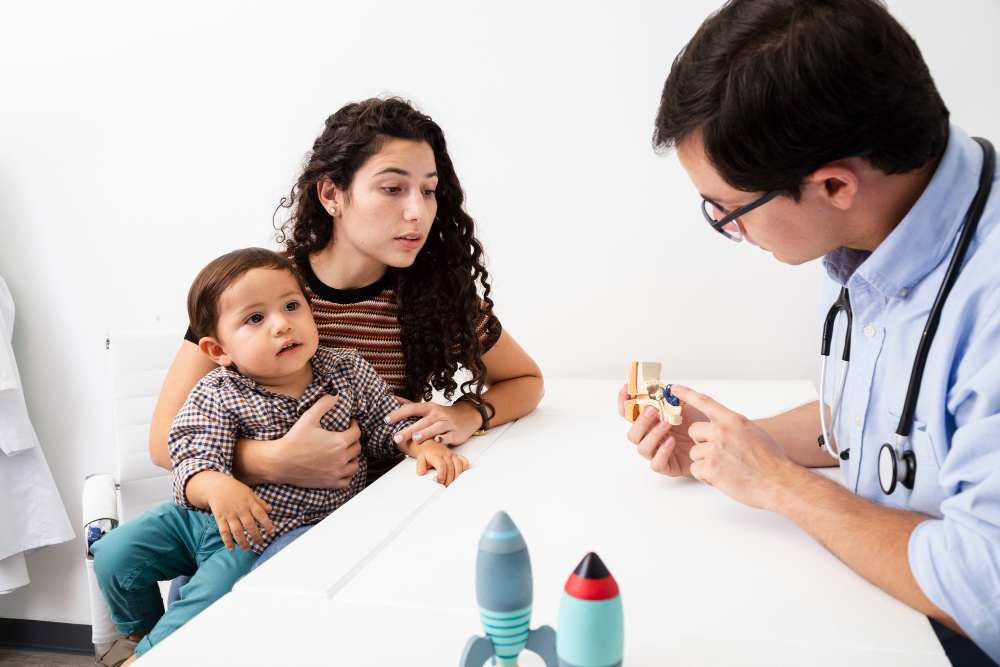
Pediatricians use several steps to find out what is wrong. First, they ask about your child’s symptoms and health history. Then, they check your child with a physical exam. Sometimes, doctors use special tools to look in the ears or throat. If needed, they may order tests like blood work or X-rays. Because each child is different, doctors choose tests based on the symptoms. Early diagnosis helps children get better faster.
Treatment Options and Home Care Tips
Treatment depends on the illness. For mild colds or flu, rest and fluids are important. Over-the-counter medicine may help with fever or pain. However, antibiotics are only used for bacterial infections. For allergies, doctors may suggest avoiding triggers or using allergy medicine. If your child has asthma, follow the doctor’s plan and keep inhalers nearby. At home, parents should:
Prevention Strategies for Parents
Because prevention is key, parents can take steps to keep children healthy. Good handwashing is one of the best ways to stop the spread of germs. In addition, keeping up with vaccines protects against many diseases. Healthy eating and regular sleep help boost the immune system. Parents should also teach kids to cover their coughs and sneezes. If your child has allergies, try to limit exposure to triggers. These pediatric health tips can help prevent sickness in kids.
Guidance on When to Seek Medical Help
Sometimes, home care is not enough. If your child has trouble breathing, a high fever, or severe pain, call your doctor. Also, seek help if your child is very sleepy, has a stiff neck, or cannot keep fluids down. Because children can get sick quickly, it is better to ask for help if you are unsure. Pediatricians are trained to spot serious problems and give the right care, consult Dr. Ashwin Reddy .