
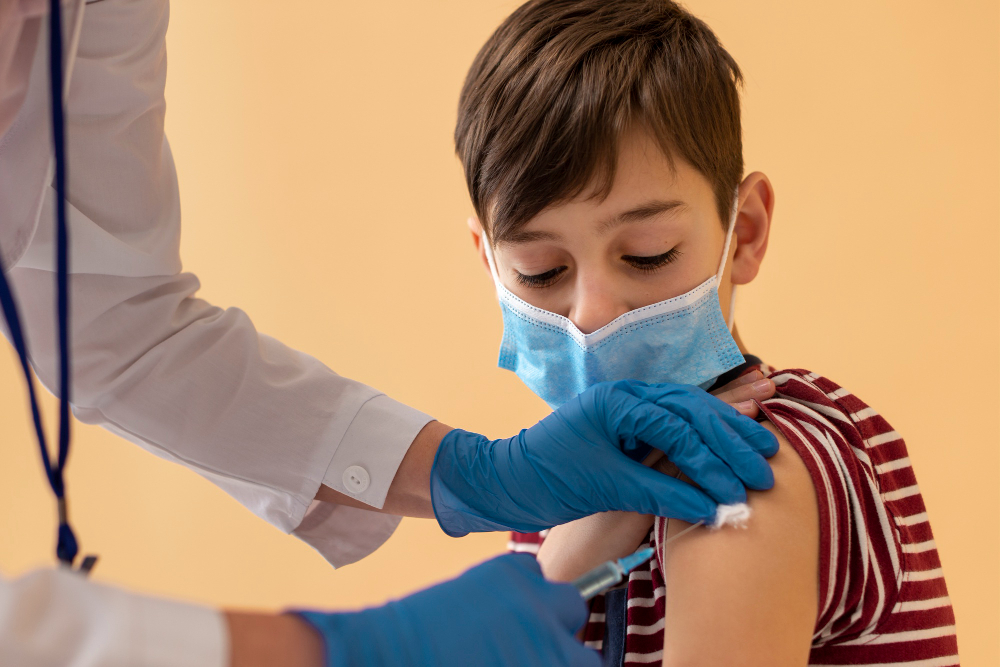
Measles in children is a serious illness that can spread quickly. Although many parents worry about childhood diseases, measles is preventable. Vaccination is the best way to keep your child safe. In this blog, you will learn about measles symptoms, causes, and how to protect your child. You will also find out why the measles vaccine for children is so important for measles prevention. Understanding these facts can help you make the best choices for your family.
What Is Measles in Children?
Measles is a viral infection that mostly affects young children. It causes a rash, fever, and other symptoms. Although measles was once common, childhood immunization has made it rare in many places. However, outbreaks can still happen if vaccination rates drop. According to the World Health Organization (WHO), measles can lead to serious health problems, especially in children under five years old. Because of this, it is important to know how measles spreads and how to prevent it.
Common Symptoms of Measles in Children
Measles often starts with mild symptoms. However, these can quickly become more serious. Early signs usually appear about 10 days after exposure. Watch for these common symptoms:
Because these symptoms can look like other illnesses, it is important to contact your doctor if you notice them. Early care can help prevent complications.
Causes and How Measles Spreads
Measles is caused by a virus. It spreads very easily from person to person. When someone with measles coughs or sneezes, tiny droplets enter the air. If your child breathes in these droplets, they can get sick. In fact, the Centers for Disease Control and Prevention (CDC) says measles can stay in the air for up to two hours. Therefore, being in the same room as someone with measles can be enough to catch it. Unvaccinated children are most at risk.
How Measles Is Diagnosed in Children
Doctors use several steps to diagnose measles in children. First, they look at your child’s symptoms and health history. Next, they may check for the red rash and white spots in the mouth. Sometimes, doctors order a blood test or a throat swab to confirm the virus. Because measles can look like other illnesses, these tests help make sure your child gets the right care. Early diagnosis is important to stop the spread of measles.
Treatment Options for Measles in Children
There is no specific medicine that cures measles. However, doctors can help manage symptoms and prevent complications. Most children recover at home with rest and fluids. Sometimes, vitamin A is given to help the immune system. In rare cases, children may need hospital care for breathing problems or dehydration. Because measles can cause serious issues like pneumonia or brain swelling, it is important to watch your child closely. Always follow your doctor’s advice for the best care.
The Importance of Vaccination for Measles Prevention
Vaccination is the best way to protect your child from measles. The measles vaccine for children is usually given as part of the MMR shot, which also protects against mumps and rubella. According to the CDC, two doses of the vaccine are about 97% effective at preventing measles. When most children are vaccinated, it helps protect the whole community. This is called herd immunity. Because measles spreads so easily, high vaccination rates are needed to keep everyone safe. Childhood immunization programs have saved millions of lives worldwide.
Vaccine Safety and Effectiveness
Many parents have questions about vaccine safety. However, the measles vaccine for children has been used for decades and is very safe. Side effects are usually mild, such as a sore arm or low fever. Serious reactions are very rare. Studies from the WHO and CDC show that the benefits of vaccination far outweigh the risks. In addition, getting vaccinated protects not only your child but also others who cannot get the vaccine due to health reasons.
Tips for Parents: Protecting Your Child from Measles
There are several steps you can take to keep your child safe from measles. Because prevention is key, follow these tips:
By staying informed and following these steps, you can help with protecting kids from measles and support measles prevention in your community. Consult with Dr. Ashwin Reddy.